Business Name: BeeHive Assisted Living Homes of Rio Rancho NM #1 - Dementia Care & Memory Care
Address: 204 Silent Spring Rd NE, Rio Rancho, NM 87124
Phone: (505) 221-6400
BeeHive Assisted Living Homes of Rio Rancho NM #1 - Dementia Care & Memory Care
BeeHive Assisted Living Homes of Rio Rancho NM #1 - Dementia Care & Memory Care is a premier Rio Rancho Assisted Living facilities and the perfect transition from an independent living facility or environment. Our Alzheimer care in Rio Rancho, NM is designed to be smaller to create a more intimate atmosphere and to provide a family feel while our residents experience exceptional quality care. We promote memory care assisted living with caregivers who are here to help. Memory care assisted living is one of the most specialized types of senior living facilities you'll find. Dementia care assisted living in Rio Rancho NM offers catered memory care services, attention and medication management, often in a secure dementia assisted living in Rio Rancho or nursing home setting.
204 Silent Spring Rd NE, Rio Rancho, NM 87124
Business Hours
Monday thru Friday: 9:00am to 5:00pm
Facebook: https://www.facebook.com/BeeHiveHomesRioRancho
YouTube: https://www.youtube.com/@WelcomeHomeBeeHiveHomes
Families rarely start touring communities due to the fact that they have additional time on their hands. Something has actually changed. Perhaps your mom slipped on the back steps and now you worry each time she doesn't pick up the phone. Possibly your dad's fridge appears like a museum exhibit, and you can't neglect the stale food and unopened mail. Picking between assisted living and independent senior living is not about amenities on a pamphlet, it's about daily life working well once again. The best fit protects self-reliance while covering the gaps that have actually started to appear.
What independent senior living in fact feels like
Independent senior living matches older adults who can manage most day-to-day tasks without routine hands-on assistance. Think about it as apartment-style living designed for older grownups, with the social and security functions that make life simpler. Residents usually cook a few of their own meals or choose from communal dining. Housekeeping and maintenance are included, which implies no more ladder work or coping a damaged dishwasher. Transportation runs on a schedule to groceries, the pharmacy, and medical consultations. There is often a lively calendar of activities, from chair yoga to films to offer tasks with regional schools.
The best method to envision the day-to-day: your loved one still locks their own door in the evening, keeps their own routines, and comes and goes as they please. The neighborhood's task is to get rid of friction. A dripping faucet gets repaired without bothersome the property owner. When the ice storm knocks out power, staff examine locals and bring flashlights and hot beverages. If you live 2 states away, you sleep better understanding there is a front desk, not an empty cul-de-sac.
Most communities build in safety functions that are quiet however essential. Elevators that actually arrive, grab bars where you require them, step-free showers, great lighting, and pull cords or wearable pendants that signal personnel if someone takes a bad fall. In my experience, the homeowners who grow in independent senior living still drive or use the neighborhood van happily, keep track of their medications, and manage their own costs. They want next-door neighbors, not nurses.
Where assisted living makes the difference
Assisted living is for elders who still value autonomy but need help with some activities of daily living. Personnel provide scheduled, and often unscheduled, assistance with jobs like bathing, dressing, grooming, toileting, and medication management. The home looks just like an independent system, however the services are more clinical. Many assisted living communities have licensed nurses on website, either all the time or at least during extended hours, and care assistants readily available 24/7.
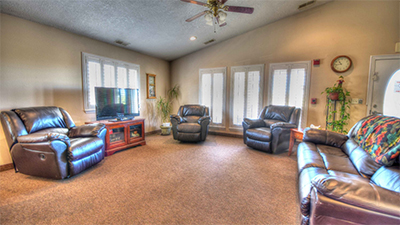
I've worked with households who waited too long for this level of care. You can tell the strain at the edges: a mom who wears the very same sweatshirt all week, a dad who "forgets" showers because he feels unsafe stepping into the tub. Adult children begin lining up caretakers, however the schedule cracks. Someone hires sick, and the kid loses a workday and another layer of persistence. Assisted living streamlines the puzzle. Care is collaborated, not patched together.
One key difference is medication oversight. If tablets are missed or doubled, assisted living personnel can establish and administer medications, display negative effects, and make certain refills do not lapse. That's often the tipping point for families. Another is bathing support. Lots of falls take place in restrooms, and a qualified assistant by the elbow changes everything. If you're becoming aware of lightheadedness, nocturnal restroom journeys, or difficulty with button-down shirts, it's time to consider assisted living, not just more grab bars.
A word about memory care, and why it matters in this decision
Memory care is a customized kind of assisted living for individuals dealing with Alzheimer's illness or other dementias. It blends protected design, structured routines, and personnel trained in dementia communication and behavior assistance. Corridors are often circular to prevent dead ends that trigger anxiety. Doors are alarmed or secured. Activities are much shorter, sensory-rich, and intentionally recurring to utilize procedural memory.
Why reference this while comparing assisted living and independent living? Because early cognitive changes often masquerade as "just growing older." Independent living may work if forgetfulness is periodic and safety is undamaged. But if your loved one is getting lost on familiar paths, leaving burners on, mishandling cash, or revealing character changes like suspicion or agitation, you require to ask whether assisted living with memory care abilities is on website. Some neighborhoods offer both, with a path to shift. Others do not. Families conserve themselves a second disruptive move by asking tough questions early.
Respite care purchases time and clarity
Respite care is a brief stay in a senior living neighborhood, available in both assisted living and often independent living. You can use it after a medical facility discharge to recuperate with assistance, or during a caregiver's travel or burnout. It's likewise a low-risk trial. I have actually seen hesitant parents come for "two weeks after knee surgery" and decide to remain since the meals are great, the physical treatment is right down the hall, and life suddenly feels manageable again. If you're stuck between levels of care, a respite stay reveals what your loved one in fact requires day to day.
The turning points that separate the two
Deciding in between assisted living and independent senior living seldom hinges on a single factor. It's a pattern. Try to find clusters of friction. If 3 or more of these truths keep showing up, assisted living might be more secure:
- Trouble with activities of daily living: bathing, dressing, toileting, or transferring in and out of chairs or bed without steady support. Medication mishaps or complex regimens: multiple everyday medications, insulin management, or regular missed out on doses. Frequent falls or near-falls: particularly in the bathroom or at night, or fear of falling that results in avoided showers and isolation. Unintended weight-loss or dehydration: unopened meal sets, expired food, or forgetting to consume water. Cognitive changes affecting safety: wandering, leaving the front door open, repetitive 911 calls, or confusion that worsens in the evening.
If, on the other hand, your loved one is consuming dependably, handling medications, navigating the building comfortably, and looking for more social life than they have at home, independent senior living can be a strong match.
Cost is made complex, but you need genuine numbers
Families often ask for a single price tag. The truth is that independent senior living is typically priced like lease with services, while assisted living is lease plus a care strategy. In lots of markets, independent living might vary from the low 3 thousands each month to the mid-five thousands, depending upon area, unit size, and dining packages. Assisted living can begin in a similar range for base rent, however care levels include layers. A modest care plan might add a few hundred dollars monthly, while more substantial daily assistance and medication management can add a thousand or more.
The sticker shock comes when you compare community pricing to the undetectable expenses in the house. If you tally backyard upkeep, utilities, home modifications, private duty caretakers, transport, groceries, and the worth of a child leaving work early twice a week, the gap shrinks. Long-lasting care insurance can balance out assisted living, and some states offer Medicaid waivers that cover parts of care in licensed settings. Veterans and enduring partners might receive Aid and Presence advantages. Ask the community's business office to map your financing options, then verify independently.
Health care access and the medical line
Independent senior living is not a medical model. Some neighborhoods bring in third-party services like home health, going to nurses, or treatment, but the community itself doesn't coordinate ongoing treatment. Assisted living, by contrast, has nurse oversight of care plans, medication administration, and a group trained to observe modifications. They will call your loved one's medical professional, track vitals if needed, and share updates with household. If diabetes ends up being fragile or congestive heart failure needs everyday weight checks, the assisted living care team can handle those information that overwhelm households.
There is also a safeguard aspect. In assisted living, somebody is responsible for seeing your loved one each shift. If they don't pertain to breakfast, a caregiver checks in. In independent living, missed out on meals may not activate a health check unless you've arranged it. Both settings will call 911 for emergency situations, but assisted living is much better equipped to notice the slow-motion emergency situations like urinary tract infection confusion or pneumonia creeping in after a cold.
Social life, identity, and the nerve to begin over
People move not just for help, but for belonging. In independent living, locals often find new hobbies and friends that surprise their families. I have actually seen a retired engineer lead a weekly film discussion so popular the upkeep manager started dragging in extra chairs. I've viewed a widow who seldom left her home end up being the informal welcome committee. The autonomy in independent living supports that arc. You choose your calendar, your dining buddies, your pace.
In assisted living, social life exists too, but it's curated with energy levels and care requirements in mind. Activities may be much shorter and set up around care routines. One-on-one engagement matters more. It can be a relief to sign up with a group where nobody blinks if you require a hand steadying your plate. The identity shift can be harder on happy, private people. Personnel who respect adult self-respect make the distinction. When you tour, view whether aides kneel to eye level, knock before getting in, and speak to the resident instead of over them to household. Those small habits are the culture laid bare.
Safety features worth focusing on in either setting
Not every grab bar is equal. In independent living, try to find houses with a step-free limit, lever door handles, strong bathroom rails, and area for a walker to turn. Ask about the emergency situation reaction system. Is it a wall pull in the bed room only, or wearable pendants with real-time place? How quick is the common response at 2 a.m.? In assisted living, ask who responds to calls, their training, and how they triage several calls at once. Check for 24/7 awake staff, not "on call."
Fire safety is another overlooked location. Find the published evacuation strategy, check sprinklers and smoke detectors in specific apartments, and ask when the last fire drill with homeowners took place. If your loved one utilizes oxygen, clarify storage and safety procedures. For memory care, review door security, roam management technology, and how they stabilize freedom to wander in safe yards with avoidance of elopement.
The unpleasant middle: couples with different needs
One partner might require assisted living while the other would thrive in independent living. Some campuses host both on the same grounds, making it possible to live in different units or share an assisted living home with targeted assistance. I have actually seen couples keep their routines with little changes: morning coffee together in the independent dining room, then a brief walk to treatment for one spouse, lunch together, an afternoon nap apart. In other cases, the healthier spouse denies their own requirements to keep the set at a lower level of care. Watch for caregiver burnout camouflaged as devotion.
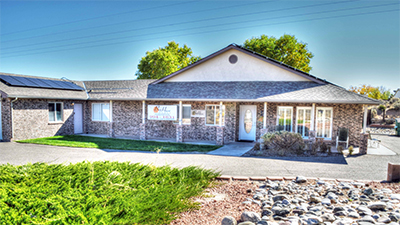
If staying together is nonnegotiable, push neighborhoods to define exactly how they will serve both people. 2 care plans might be needed. Ask what takes place if the assisted living partner's requirements intensify. Will the couple have priority access to memory care if dementia progresses? Under tension, assumptions become heartbreak. Put information in writing.
Red flags while touring
Your eyes and ears inform you a lot if you understand where to look.
- Residents calling for assistance within earshot without prompt action, or call lights blinking for long stretches. Strong smells in corridors that don't dissipate, recommending chronic housekeeping or continence care issues. Staff who seem rushed and prevent eye contact, or who discuss citizens in public areas with impatience or sarcasm. Activity calendars filled with generic products that never ever appear to happen, or homeowners sitting idle in front of a TV midmorning. A protective action to questions about staffing levels, nurse coverage, falls, or state survey results.
On the other side, excellent neighborhoods reveal you their backbone. They acknowledge imperfections, describe how they fixed recent issues, and present you to the staff member who make the place hum. The executive director understands citizens by name. The dining director talks about texture-modified diet plans without making it seem like punishment. Those information signal functional maturity.
How to decide as a family without tearing at the seams
The friction often lies between a parent's desire for independence and an adult kid's fear. You can respect both by concentrating on particular, senior living observable realities. Generalities trigger arguments. Information relaxes them. Keep a shared log for 2 weeks. Note avoided meals, missed out on meds, falls or near-falls, confusion episodes, canceled social plans, and nights slept in a reclining chair. Bring that log to trips. If you are thinking about assisted living, ask how the care group would address each line item.
If your loved one resists the concept of any relocation, frame it as getting control, not losing it. Highlight choices: selecting the floor plan, choosing dining times, choosing which services to accept now and which to postpone. Respite care can bridge the trust space. Likewise, avoid presenting this as a forever choice. Health changes, choices develop, and you can revisit. A sense of trial lowers the stakes enough to try the type in the lock.
The function of home care, truthfully weighed
Home care can extend the runway in the house or in independent living, particularly for a few targeted tasks like morning shower help or night medication suggestions. The mathematics changes as hours increase. At four to 6 hours daily, the expense typically surpasses entry-level assisted living, without the exact same 24/7 safety net. Coverage in the evening is hardest to staff and most costly. Agencies differ extensively in consistency, and the coordination burden falls on the household. For some, that problem deserves it to stay in a precious home. For others, the consistent scheduling and guidance is the extremely tension they wanted to avoid.
If you use home care as a bridge, specify. Write down the jobs and time windows. Request for the exact same caretakers consistently and a back-up plan for call-offs. Meanwhile, keep assessing whether the arrangement is still serving your loved one, or whether it's become a patchwork that looks fine on paper however tears at 2 a.m.
What success looks like 3 months after the move
I search for 3 basic signs. Initially, weight supports or improves. Excellent nutrition is a proxy for many other things going right: hunger, social engagement, and medication routines. Second, crises diminish. Fewer worried telephone call, fewer late-night runs, fewer missed appointments. Third, the calendar consists of something your loved one genuinely looks forward to. It might be the Tuesday knitting circle or a particular team member's music hour. If none of those hold true after the very first 90 days, ask for a care strategy review in assisted living or a way of life evaluation in independent living. In some cases a different dining table or a change of apartment near the elevator brings back momentum.
The bottom line, and why getting it nearly right still helps
Independent senior living is best for older grownups who are largely self-dependent however want neighborhood, benefit, and security features that lighten the load. Assisted living matches those who require daily aid with individual care, medication management, and the scientific oversight that captures trouble early. Memory care enters when cognitive changes challenge security and regimen. Respite care is your try-before-you-buy option, along with a relief valve when caregiving stress the family system.
Perfection is not required. Families stress over selecting the outright suitable on the first shot. In practice, moving from a struggling home situation to a well-run senior living community, even if you are slightly off on level of care, enhances lifestyle immediately. If the independent apartment or condo shows a hair too light, the transition to assisted living down the hall is easier than another year of near-misses at home. If assisted living turns out more assistance than needed, dialing back services and costs is possible. You're not carving in stone, you're guiding towards a safer, fuller life.
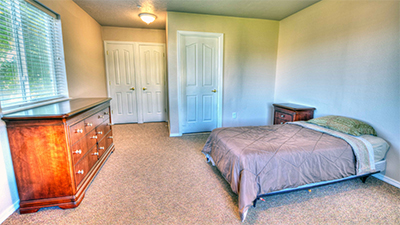
A quick choice guide you can use this week
- If your loved one requires regular aid with bathing, dressing, toileting, or medications, lean towards assisted living. If they are independent in daily tasks however isolated or overwhelmed by home upkeep, check out independent senior living. If memory problems affect safety, search for assisted living neighborhoods with devoted memory care and a clear shift path. If you're uncertain, book a respite stay to test the fit and expose real needs. If finances are tight, compare total home costs plus care to neighborhood pricing, and ask about long-lasting care insurance coverage, VA advantages, or state programs.
The right in shape aspects who your loved one is today, while getting ready for who they may be tomorrow. When you stand in a house and can imagine their coffee mug on the counter, their favorite chair by the window, and a day that unfolds without consistent worry, you're close. The goal is not simply a safer address. It's a life that seems like theirs again.
BeeHive Assisted Living Homes of Rio Rancho NM #1 - Dementia Care & Memory Care provides assisted living care
BeeHive Assisted Living Homes of Rio Rancho NM #1 - Dementia Care & Memory Care provides memory care services
BeeHive Assisted Living Homes of Rio Rancho NM #1 - Dementia Care & Memory Care provides respite care services
BeeHive Assisted Living Homes of Rio Rancho NM #1 - Dementia Care & Memory Care supports assistance with bathing and grooming
BeeHive Assisted Living Homes of Rio Rancho NM #1 - Dementia Care & Memory Care offers private bedrooms with private bathrooms
BeeHive Assisted Living Homes of Rio Rancho NM #1 - Dementia Care & Memory Care provides medication monitoring and documentation
BeeHive Assisted Living Homes of Rio Rancho NM #1 - Dementia Care & Memory Care serves dietitian-approved meals
BeeHive Assisted Living Homes of Rio Rancho NM #1 - Dementia Care & Memory Care provides housekeeping services
BeeHive Assisted Living Homes of Rio Rancho NM #1 - Dementia Care & Memory Care provides laundry services
BeeHive Assisted Living Homes of Rio Rancho NM #1 - Dementia Care & Memory Care offers community dining and social engagement activities
BeeHive Assisted Living Homes of Rio Rancho NM #1 - Dementia Care & Memory Care features life enrichment activities
BeeHive Assisted Living Homes of Rio Rancho NM #1 - Dementia Care & Memory Care supports personal care assistance during meals and daily routines
BeeHive Assisted Living Homes of Rio Rancho NM #1 - Dementia Care & Memory Care promotes frequent physical and mental exercise opportunities
BeeHive Assisted Living Homes of Rio Rancho NM #1 - Dementia Care & Memory Care provides a home-like residential environment
BeeHive Assisted Living Homes of Rio Rancho NM #1 - Dementia Care & Memory Care creates customized care plans as residents’ needs change
BeeHive Assisted Living Homes of Rio Rancho NM #1 - Dementia Care & Memory Care assesses individual resident care needs
BeeHive Assisted Living Homes of Rio Rancho NM #1 - Dementia Care & Memory Care accepts private pay and long-term care insurance
BeeHive Assisted Living Homes of Rio Rancho NM #1 - Dementia Care & Memory Care assists qualified veterans with Aid and Attendance benefits
BeeHive Assisted Living Homes of Rio Rancho NM #1 - Dementia Care & Memory Care encourages meaningful resident-to-staff relationships
BeeHive Assisted Living Homes of Rio Rancho NM #1 - Dementia Care & Memory Care delivers compassionate, attentive senior care focused on dignity and comfort
BeeHive Assisted Living Homes of Rio Rancho NM #1 - Dementia Care & Memory Care has a phone number of (505) 221-6400
BeeHive Assisted Living Homes of Rio Rancho NM #1 - Dementia Care & Memory Care has an address of 204 Silent Spring Rd NE, Rio Rancho, NM 87124
BeeHive Assisted Living Homes of Rio Rancho NM #1 - Dementia Care & Memory Care has a website https://beehivehomes.com/locations/rio-rancho/
BeeHive Assisted Living Homes of Rio Rancho NM #1 - Dementia Care & Memory Care has Google Maps listing https://maps.app.goo.gl/FhSFajkWCGmtFcR77
BeeHive Assisted Living Homes of Rio Rancho NM #1 - Dementia Care & Memory Care has Facebook page https://www.facebook.com/BeeHiveHomesRioRancho
BeeHive Assisted Living Homes of Rio Rancho NM #1 - Dementia Care & Memory Care has a YouTube Channel at https://www.youtube.com/@WelcomeHomeBeeHiveHomes
BeeHive Assisted Living Homes of Rio Rancho NM #1 - Dementia Care & Memory Care won Top Memory Care Homes 2025
BeeHive Assisted Living Homes of Rio Rancho NM #1 - Dementia Care & Memory Care earned Best Customer Service Award 2024
BeeHive Assisted Living Homes of Rio Rancho NM #1 - Dementia Care & Memory Care placed 1st for Assisted Living Communities 2025
People Also Ask about BeeHive Assisted Living Homes of Rio Rancho NM #1 - Dementia Care & Memory Care
What is BeeHive Homes of Rio Rancho Living monthly room rate?
The rate depends on the level of care that is needed (see Pricing Guide above). We do a pre-admission evaluation for each resident to determine the level of care needed. The monthly rate is based on this evaluation. There are no hidden costs or fees
Can residents stay in BeeHive Homes of Rio Rancho until the end of their life?
Usually yes. There are exceptions, such as when there are safety issues with the resident, or they need 24 hour skilled nursing services
Does BeeHive Homes of Rio Rancho have a nurse on staff?
No, but each BeeHive Home has a consulting Nurse available 24 – 7. if nursing services are needed, a doctor can order home health to come into the home
What are BeeHive Homes of Rio Rancho visiting hours?
Visiting hours are adjusted to accommodate the families and the resident’s needs… just not too early or too late
Do we have couple’s rooms available?
Yes, each home has rooms designed to accommodate couples. Please ask about the availability of these rooms
Where is BeeHive Homes of Rio Rancho located?
BeeHive Homes of Rio Rancho is conveniently located at 204 Silent Spring Rd NE, Rio Rancho, NM 87124. You can easily find directions on Google Maps or call at (505) 221-6400 Monday through Friday 9:00am to 5:00pm
How can I contact BeeHive Homes of Rio Rancho?
You can contact BeeHive Assisted Living Homes of Rio Rancho NM #1 - Dementia Care & Memory Care by phone at: (505) 221-6400, visit their website at https://beehivehomes.com/locations/rio-rancho, or connect on social media via Facebook or YouTube
Rio Rancho Bosque Preserve provides a peaceful natural setting where residents in assisted living, memory care, senior care, and elderly care can enjoy gentle outdoor time with caregivers or family during restorative respite care outings.